
Experiences in Valencia
From Roman walls to the City of Arts & Sciences — walk Valencia with guides who grew up here.
Destination
Valencia
Date
Add dates
6 experiences and tours in Valencia
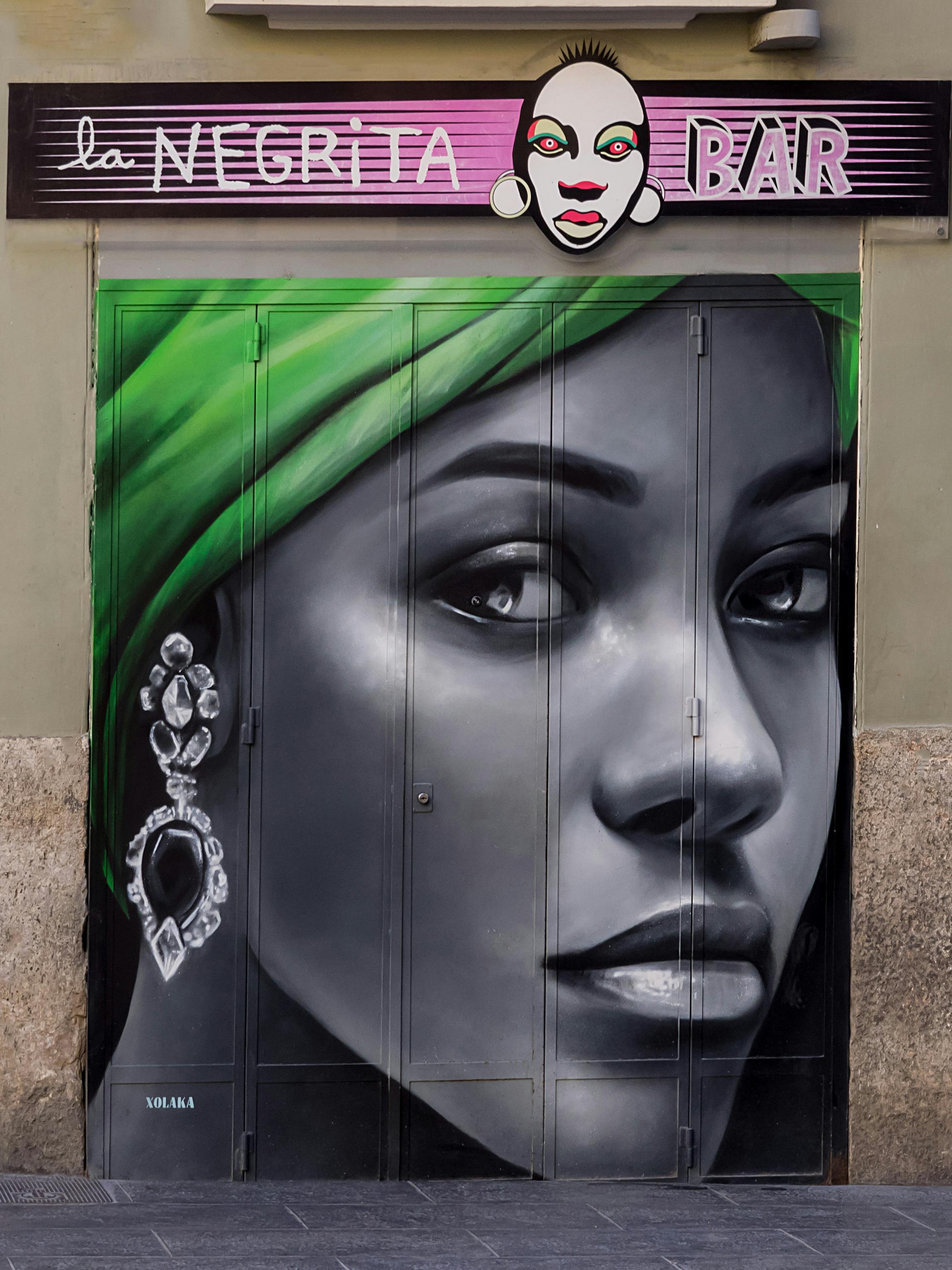
Valencia: Small Group Street Art Experience
New
From €29
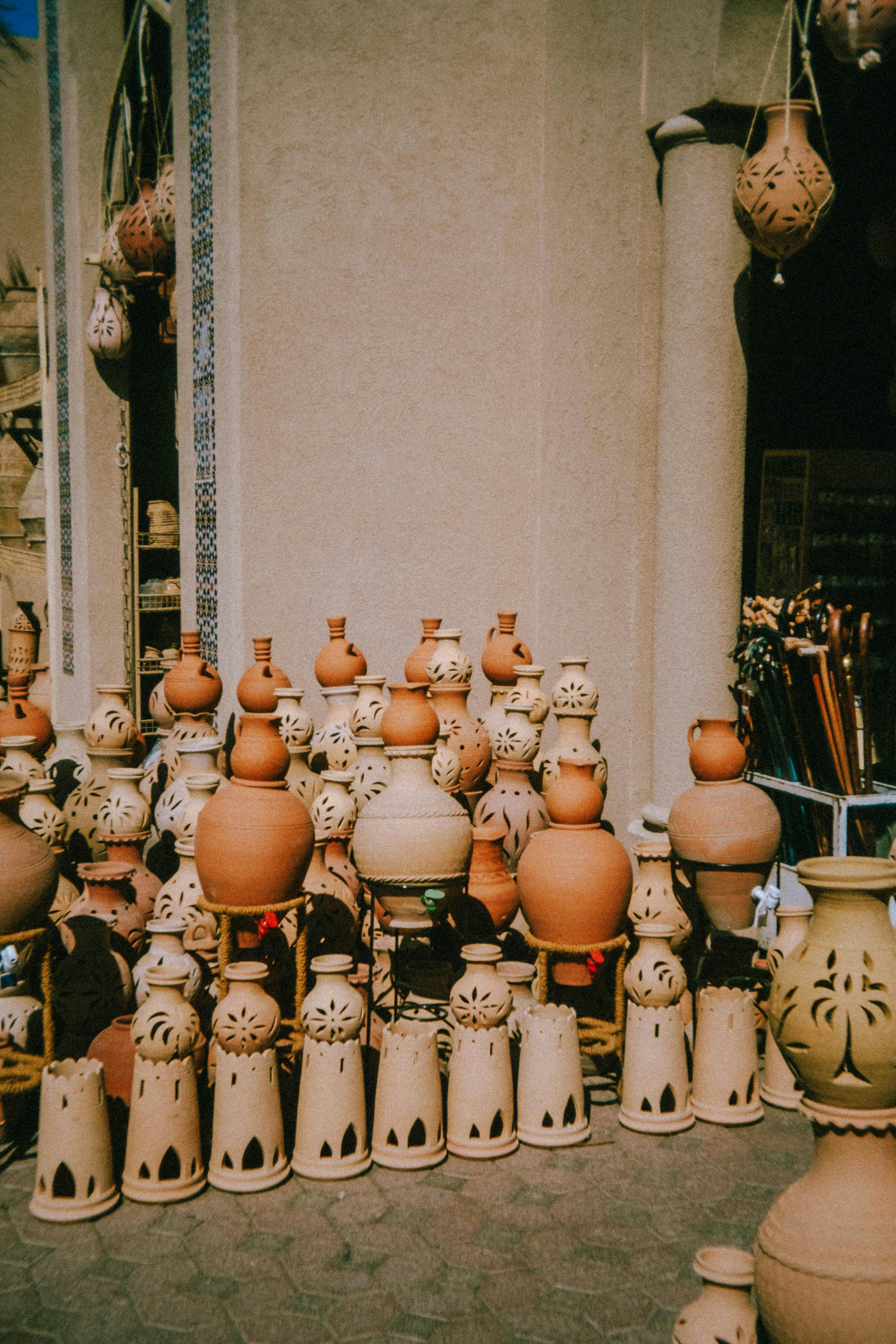
Valencia: Cabanyal & Seaside Local Life Experience
New
From €19
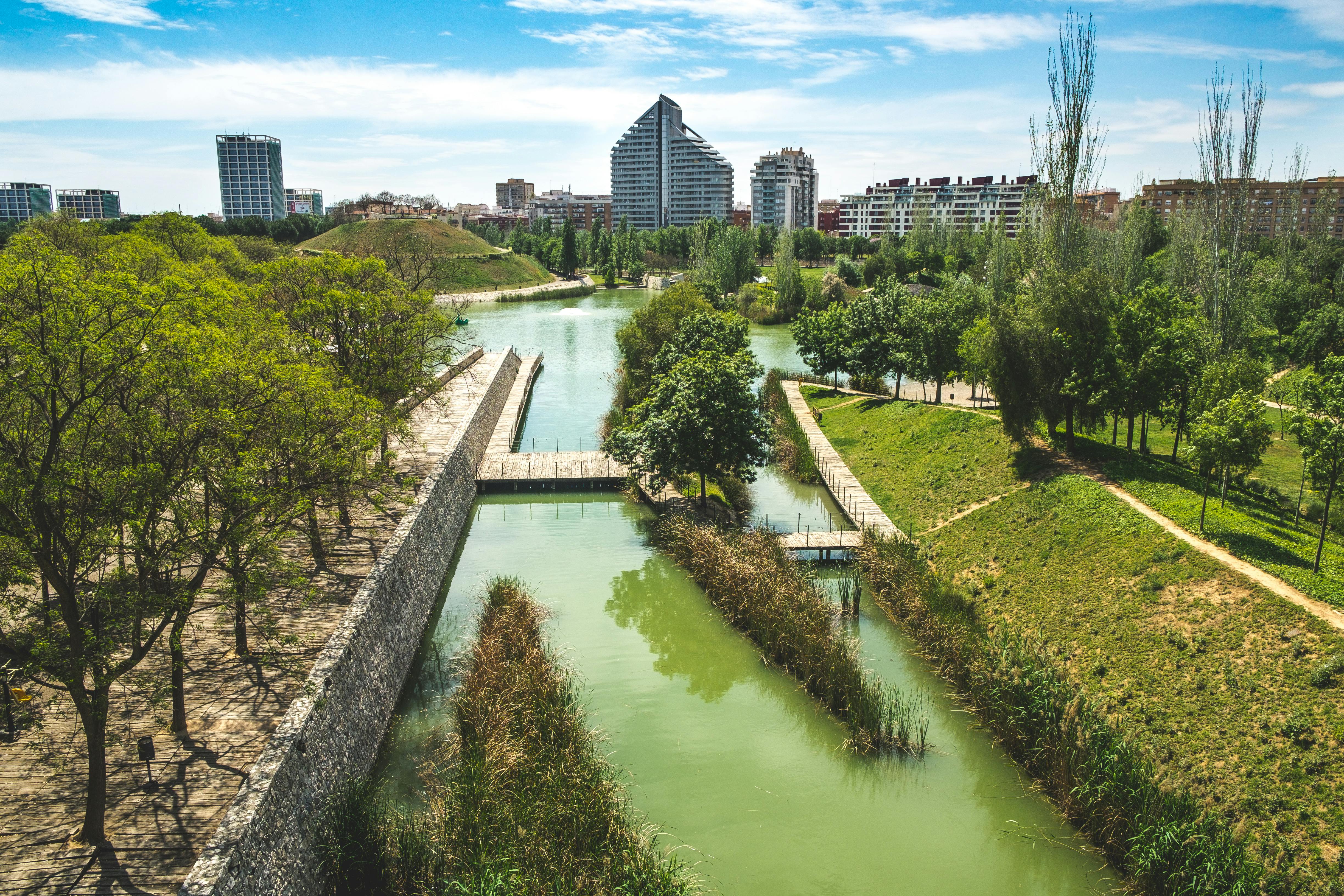
Valencia: Small Group Turia Gardens to City of Arts Tour
New
From €29
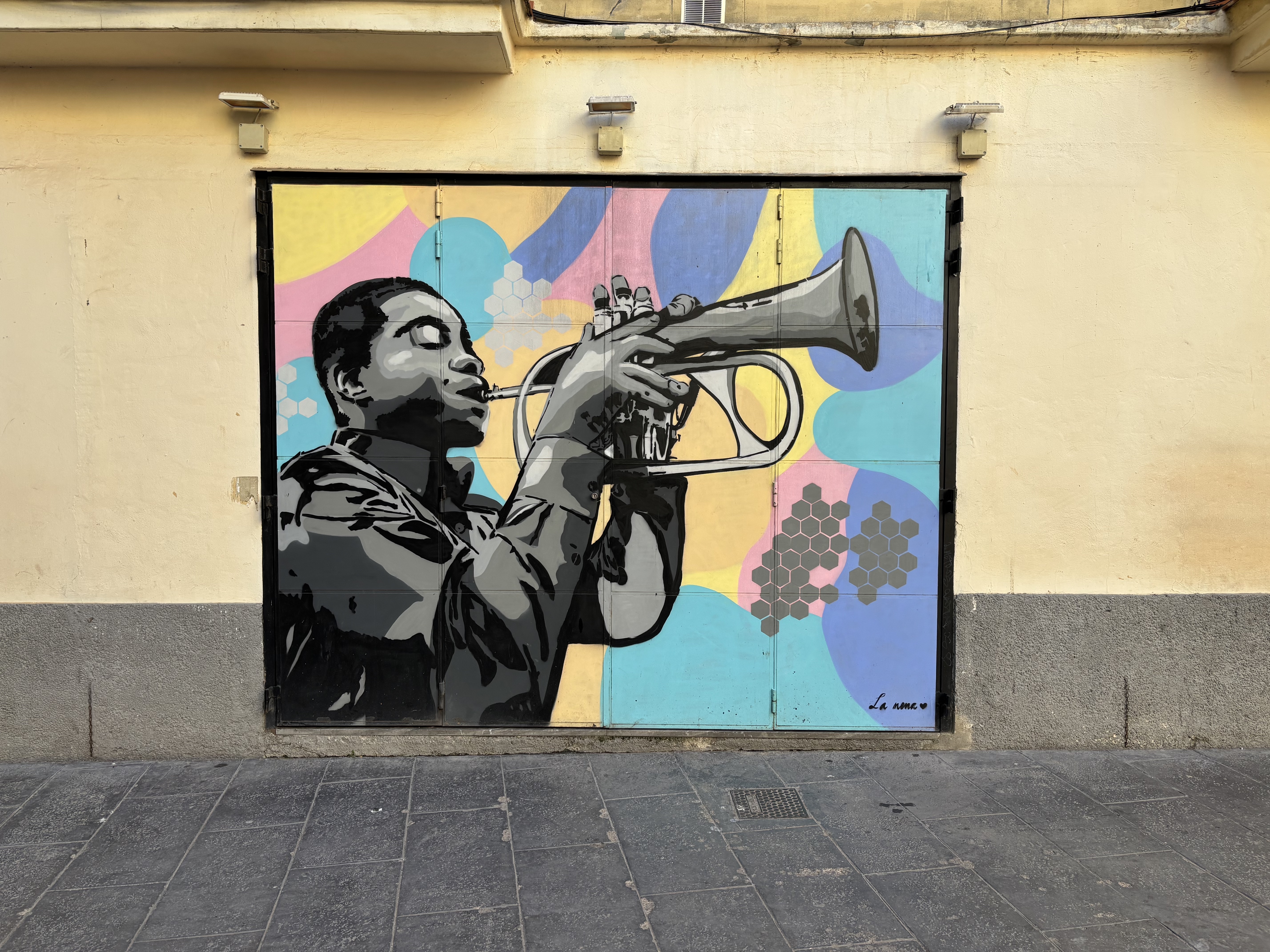
Valencia: El Carmen Street Art and Urban Culture Tour
New
Free Tour tip-based
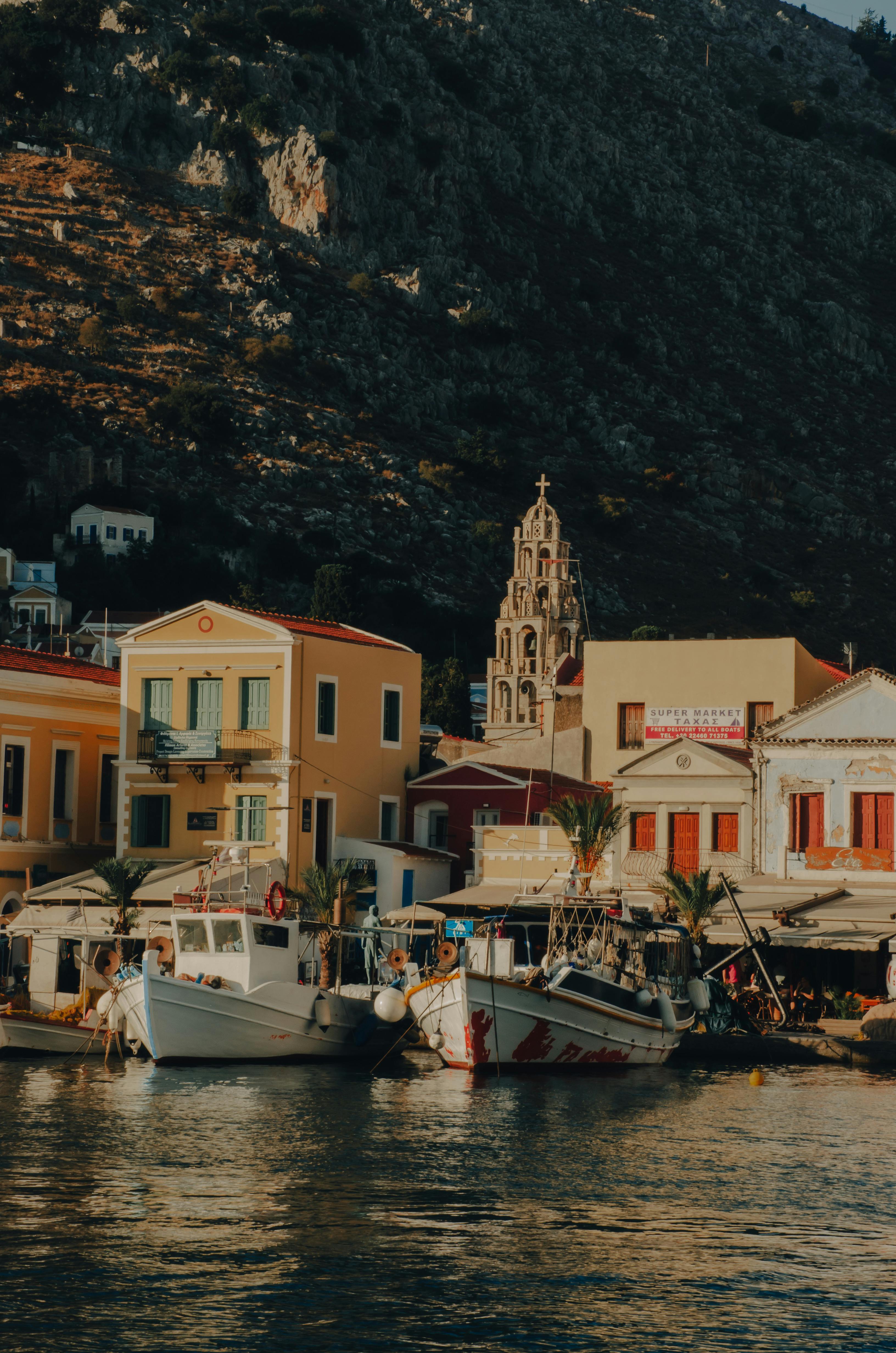
Valencia: Cabanyal & Seaside Local Life Experience
New
From €59
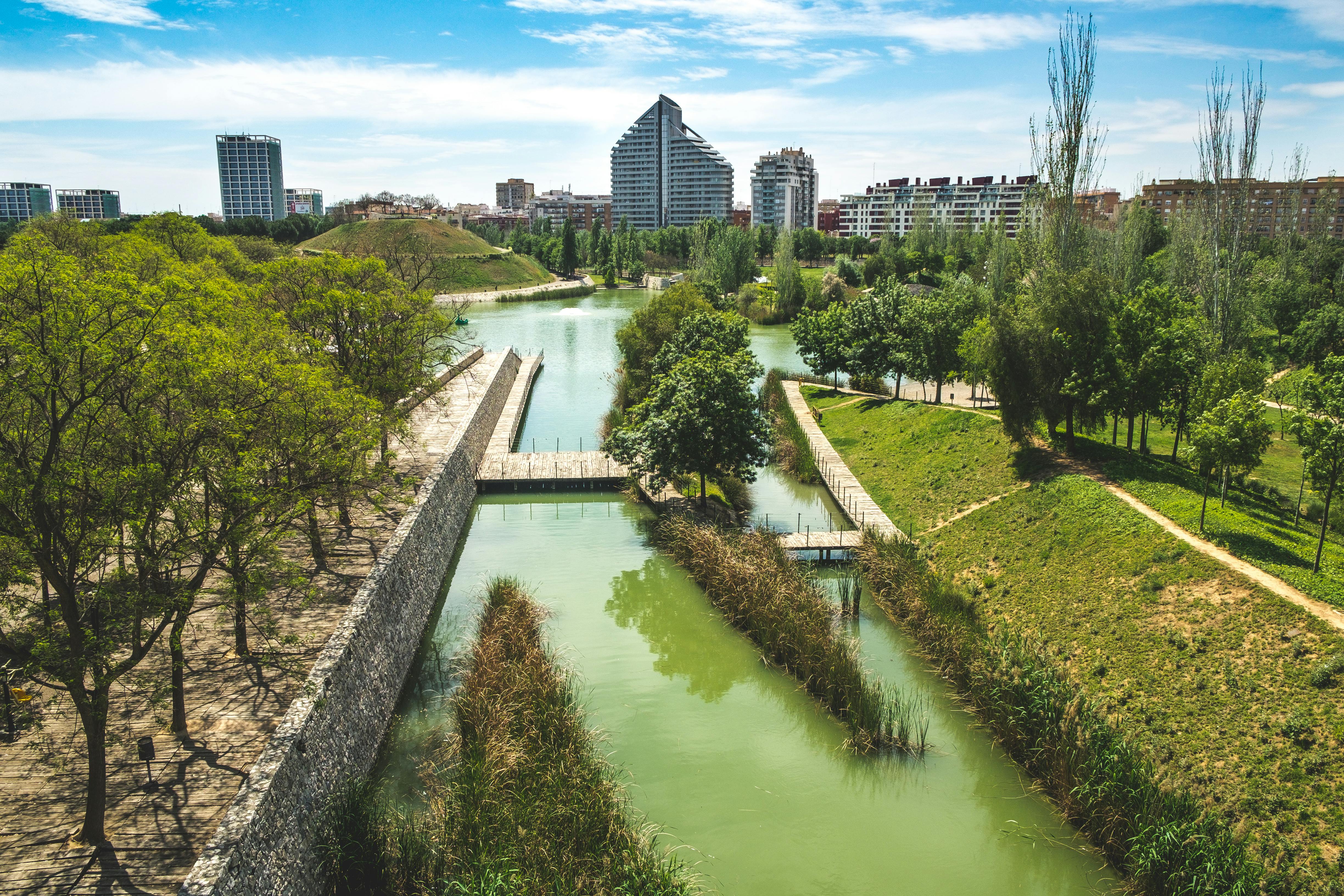
Valencia: Turia Gardens & City of Arts
New
Free Tour tip-based
Explore other destinations


Our Valencia walking tours are led by guides who live between the Old Town and the Turia gardens, not visiting freelancers. Expect small groups, themed routes from the Gothic core to El Cabanyal's tiled fishermen's houses, and the kind of unhurried pace that matches Valencia's character. You'll learn the city's Roman, Moorish, and maritime layers, and where to actually eat paella afterwards.
About Valencia
Founded by the Romans in 138 BC as Valentia Edetanorum, Valencia sits where the river Turia meets the Mediterranean on Spain's eastern coast. Centuries of Visigothic and Moorish rule shaped its layout, and after the Christian reconquest in 1238 it grew into a major Mediterranean trading port. The Gothic Llotja de la Seda — the Silk Exchange — is a UNESCO World Heritage Site dating to the 15th century.
The 1957 flood led the city to divert the Turia river and turn its former bed into a 9-kilometre linear park that now runs through the heart of the city, anchored at one end by Santiago Calatrava's futuristic City of Arts and Sciences. Around 800,000 people live in the city, with both Valencian and Spanish as co-official languages.
What to expect on a Valencia experience
You'll meet your guide at a clear landmark — often the Cathedral square or the Mercado Central — alongside a small group of typically 8 to 14 people. Walking tours generally run between 2 and 3 hours, with longer routes that pair the historic centre with El Cabanyal or the Turia gardens.
Pace is relaxed because Valencia rewards stopping — for a horchata in a tiled café, to look up at the Miguelete bell tower, or to step inside the Llotja's Gothic columned hall. Our guides actually live here, which means real recommendations for arròs and paella made the proper way, the best gardens for late-afternoon shade, and which neighbourhoods are worth revisiting on your own.
Best time to visit
March to early June and September to October are the most comfortable months — warm, sunny, and far less crowded than peak summer. March brings Las Fallas, the city's enormous fire-and-sculpture festival, which is unforgettable but books out fast. July and August are hot and humid, though the beach takes the edge off. Winter is mild compared with most of Europe, and the cooler air makes long walking days easy. The Turia gardens are beautiful year-round.
Getting around
Central Valencia is flat and very walkable — the Old Town, Mercado Central, and Cathedral cluster within a 20-minute stroll of each other. The Turia gardens themselves are a walking and cycling highway through the city. Valencia is one of Spain's best cycling cities, with extensive bike lanes and Valenbisi bike-share stations everywhere. The metro and tram network handles the longer hops, including the run from the airport directly to the city centre in about 25 minutes.
Frequently asked questions
Most Valencia walking tours run between 2 and 3 hours. Combined routes that pair the Old Town with El Cabanyal or the Turia gardens can extend to 3.5 hours. Exact duration is listed on each tour's booking page.
We offer both tip-based free tours and fixed-price themed tours. Free tours have no upfront cost — you tip your guide at the end based on the experience. Themed tours such as paella heritage walks or modernist architecture routes have a set price.
Tours run regularly in English and Spanish, with French, Italian, and German available on selected dates. Valencian is the heritage language and your guide can share its history during the tour. The booking page lists confirmed languages for each departure.
Paella valenciana is traditionally cooked with rabbit, chicken, and local beans — not seafood, despite the stereotype. Our guides will point you to neighbourhood spots near the Old Town, in Ruzafa, and out by Albufera where the rice is cooked the traditional way over wood fire. We don't endorse specific restaurants on the page because the right spot depends on day and timing — ask your guide.
Our Old Town tours focus on the historic core and the Turia gardens, with the City of Arts and Sciences visible as you cross the southern end of the gardens. Dedicated architecture routes can include a longer stop at the Calatrava complex on request. Interior visits to the Oceanogràfic or Hemisfèric require separate tickets.